DOL Adds English Proficiency Check to Driver Hiring Process
Labor Department sub-regulatory guidance requires employers to verify English language proficiency during application for any commercial motor vehicle role: no new rule, but enforcement coordination tightens.


The Department of Labor published sub-regulatory guidance last week requiring employers to verify English language proficiency during the application process for any job involving operation of a commercial motor vehicle. The guidance clarifies DOL's role in enforcing the existing FMCSA English proficiency requirement, which has been on the books for years but inconsistently applied.
What does the DOL guidance require employers to do?
Employers seeking to fill a commercial motor vehicle role must now include English language proficiency questions on all job orders and applications for temporary or permanent labor. The requirement applies to both domestic hiring and foreign labor certification applications processed through DOL's Office of Foreign Labor Certification.
The guidance is "sub-regulatory": it does not create a new regulation. Instead, it formalizes DOL's coordination with FMCSA on enforcement of the existing English proficiency standard codified in 49 CFR 391.11(b)(2). That regulation requires every driver to be able to read and speak English sufficiently to converse with the general public, understand highway traffic signs and signals, respond to official inquiries, and make entries on reports and records.
Why DOL is involved in a motor carrier safety rule
FMCSA holds primary enforcement authority over the English language proficiency requirement. DOL's Office of Foreign Labor Certification enters the picture when an employer files a labor certification application to hire foreign workers for driving positions. DOL's guidance states the office "ensures that employers include the required skills, qualifications and certifications for job opportunities involving commercial motor vehicle operations, which includes English language proficiency."
The guidance and accompanying FAQs reiterate that a significant portion of the regulated community already complies with the federal requirement. DOL published the FAQs to "ensure uniformity" in the hiring of drivers with English proficiency across all employers subject to labor certification review.
How this fits the broader enforcement push
The DOL guidance is the latest step in a coordinated Trump administration effort to enforce the English proficiency standard. In April, the State Department resumed trucker visa processing under stricter CDL standards that include English language verification and tighter safety-history checks. That followed an eight-month pause in visa processing for commercial driver applicants.
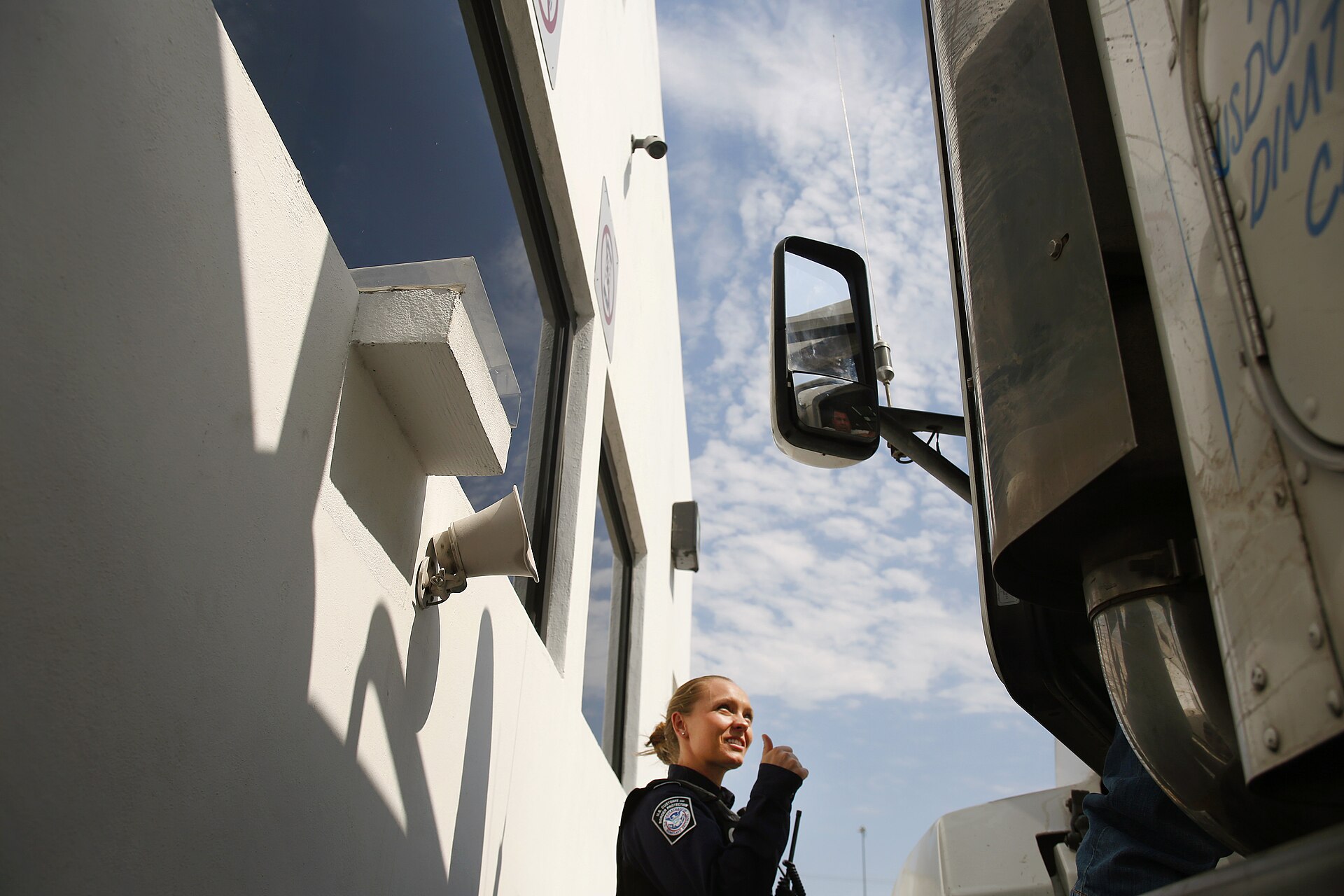
FMCSA has also stepped up roadside enforcement. Inspectors are now trained to flag drivers who cannot respond to basic questions in English during Level I, II, and III inspections. A driver placed out of service for English proficiency receives a violation under the Driver Fitness BASIC, which directly impacts the carrier's CSA percentile.
What carriers must add to their hiring process
Carriers must now document English language proficiency verification at the application stage. The DOL guidance does not prescribe a specific test or threshold, but it requires employers to ask about and evaluate English proficiency before extending an offer for any CMV-operating role.
Practical steps:
- Add an English proficiency question to your driver application form. Ask applicants to self-certify their ability to read, speak, and understand English sufficiently to meet 49 CFR 391.11(b)(2).
- Conduct a verbal interview in English as part of your standard hiring process. Document the interview date and the interviewer's assessment.
- For foreign labor certification applications, include English language proficiency as a required qualification in the job order filed with DOL.
- Retain documentation of English proficiency verification in the driver qualification file. FMCSA auditors will look for it during compliance reviews.
Audit and enforcement implications
Carriers that fail to verify English proficiency during hiring face two enforcement risks. First, if a driver is placed out of service at roadside for inability to communicate in English, the carrier receives a Driver Fitness violation that counts toward its Unsafe Driving BASIC percentile. Second, if an FMCSA compliance review uncovers a pattern of hiring drivers who do not meet the English standard, the carrier can be cited for inadequate driver qualification procedures under 49 CFR 391.11.
DOL's Office of Foreign Labor Certification can also deny or revoke labor certification applications if the employer fails to include English proficiency as a job requirement. That denial blocks the employer from hiring foreign workers for driving positions until the application is corrected and resubmitted.
What small fleets need to do this week
Review your driver application form. If it does not currently ask about English language proficiency, add a question that requires applicants to certify their ability to read, speak, and understand English as required by 49 CFR 391.11(b)(2). Update your hiring checklist to include a verbal English interview for every driver applicant. Document the interview and file the documentation in the driver qualification file before the driver's first dispatch.
If you use a third-party recruiter or staffing agency, confirm that the agency is verifying English proficiency before referring candidates to you. The carrier remains responsible for compliance even when hiring is outsourced. If you file labor certification applications with DOL to hire foreign drivers, work with your immigration attorney to ensure English proficiency is listed as a required qualification in every job order.