Six-State Trucking Coalition Pushes Lame-Duck Congress on Lawsuit Reform
Industry reps from six states pressed Congress for federal lawsuit-abuse limits, accident-fraud penalties, and highway funding before the 119th Congress expires January 3.


What did trucking groups ask Congress to pass before January 3?
Industry representatives from six states asked Congress to pass federal legislation addressing lawsuit abuse, accident fraud, and funding for highways and truck parking during the lame-duck session before the 119th Congress expires January 3, 2027. The coalition pressed for action on bills that have stalled in committee since early 2026.
The six-state advocacy push comes as the window for legislative action narrows. Congress returns for a brief lame-duck session after Thanksgiving, with fewer than 30 working days before the 120th Congress convenes. Bills that do not pass by January 3 die and must be reintroduced in the new session.
Lawsuit abuse and accident fraud
The coalition prioritized federal limits on lawsuit abuse and penalties for staged-accident fraud. Trucking groups have pushed for tort reform that would cap non-economic damages in commercial vehicle lawsuits and establish federal standards for admissible evidence in crash litigation. No specific bill numbers or sponsors were named in the November 20 advocacy effort.
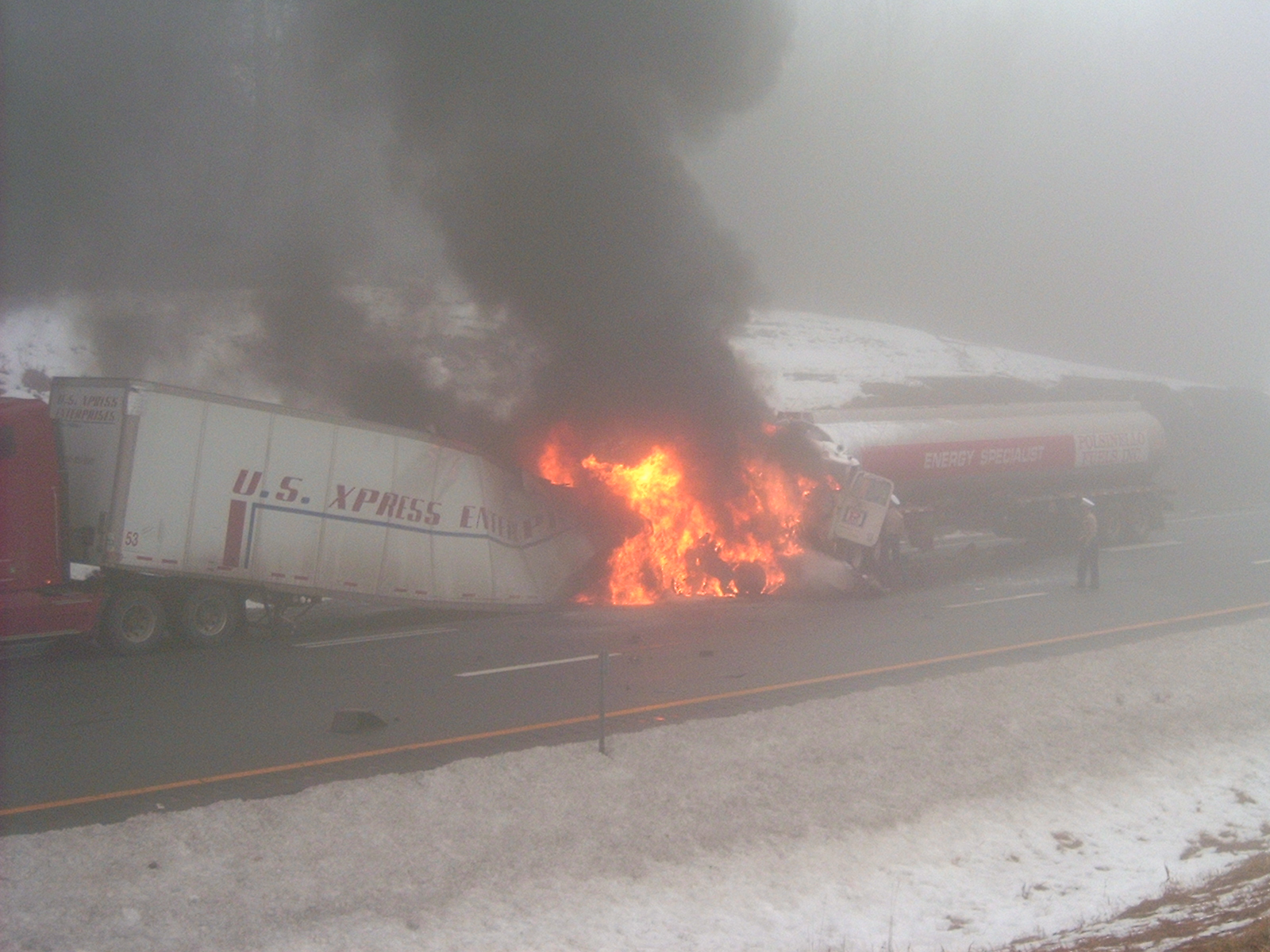
Accident fraud has become a compliance and insurance cost driver for small fleets. Staged accidents, fraudulent injury claims, and inflated damage reports push premiums higher and trigger CSA investigations when carriers dispute crash preventability. FMCSA's DataQs system allows carriers to challenge crash records, but the process takes months and does not reverse premium increases.
Federal legislation could preempt state tort laws that allow unlimited pain-and-suffering awards in commercial vehicle cases. The American Trucking Associations has backed similar bills in previous sessions, arguing that nuclear verdicts (jury awards exceeding $10 million) force carriers into bankruptcy and raise insurance costs across the industry.
Highway and truck parking funding
The six-state group also called for increased federal funding for highways and truck parking. The Infrastructure Investment and Jobs Act (IIJA), signed in November 2021, authorized $110 billion for roads and bridges over five years, but trucking groups say the funding has not kept pace with maintenance backlogs and congestion.
Truck parking remains a chronic shortage. FMCSA's 2019 Jason's Law Truck Parking Survey found a national shortage of 98,000 spaces. Drivers who cannot find legal parking within their hours-of-service (HOS) limits face a choice: park illegally and risk a roadside inspection violation, or drive past their 11-hour limit and risk an HOS violation. Both outcomes add CSA points.
The IIJA included a $1 billion discretionary grant program for truck parking projects, but only a fraction of that funding has been awarded. States must apply for grants and provide matching funds, which delays construction. The lame-duck Congress could authorize additional parking funding or streamline the grant process, but no specific bill has advanced to a floor vote.
What happens if Congress does not act
If the lame-duck session ends without passing these bills, the 120th Congress will start from scratch. New bills must be introduced, assigned to committee, and scheduled for hearings. The process typically takes months, and most bills die in committee without a floor vote.
The 120th Congress could reshape FMCSA enforcement and DOT oversight starting in 2027, but legislative priorities depend on committee assignments and leadership elections that will not be finalized until January. Trucking groups will need to rebuild coalitions and lobby new members.
The Combating Organized Retail Crime Act is the only freight legislation with a real shot before the 119th Congress expires. That bill, which targets cargo theft rings, has bipartisan support and passed the House in September. It awaits a Senate floor vote.
What small fleets should watch
Small fleets should monitor whether Congress passes lawsuit-abuse limits or accident-fraud penalties before January 3. Federal tort reform could lower insurance premiums by capping non-economic damages in commercial vehicle lawsuits. Accident-fraud penalties could reduce the number of staged-accident claims that trigger CSA investigations and premium increases.
Highway and truck parking funding will not produce immediate results. Even if Congress authorizes new funding in December, states must apply for grants, design projects, and complete environmental reviews before construction begins. New truck parking spaces will not open until 2028 or later.
Carriers should continue using FMCSA's DataQs system to challenge crash records that affect their CSA scores. The system is slow, but it is the only way to remove crashes from your safety record when you were not at fault. Document every crash with photos, police reports, and witness statements. Keep copies in your compliance file for three years.
If you operate in states with high lawsuit-abuse risk (Texas, Florida, Georgia, Louisiana), review your insurance coverage limits. Carriers with $1 million in liability coverage may need umbrella policies to cover nuclear verdicts. Talk to your insurance agent about excess liability coverage and whether your policy includes legal defense costs.