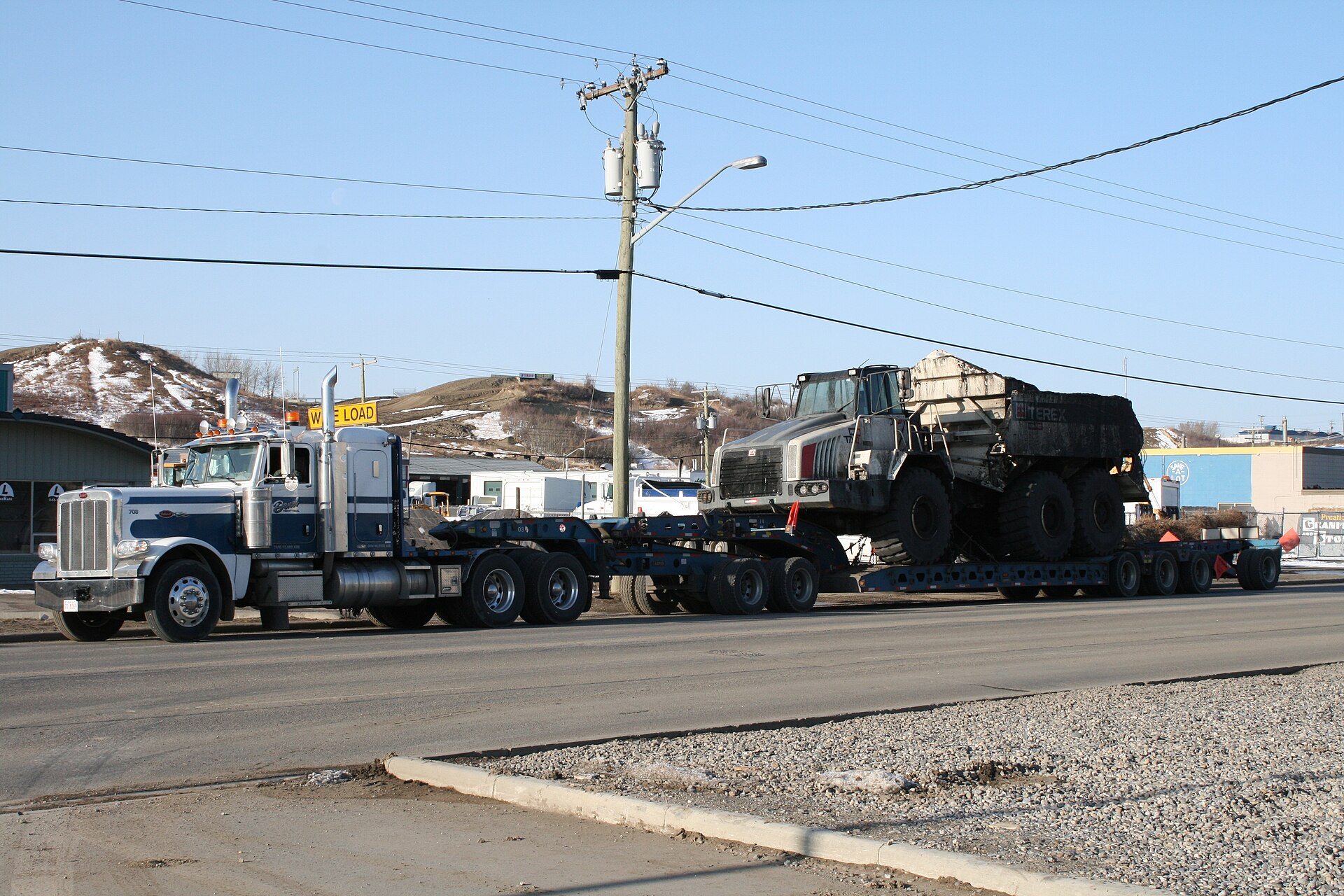
Tender Lead Times Hit 3.74 Days, Up Six Years Running
Shippers are booking trucks further in advance even when capacity is loose. That's changing how freight moves and who gets it.


Why are shippers booking trucks further out than they used to?
The gap between when a shipper tenders a load and when they want it picked up now averages 3.74 days, up from a 3.37-day running average from 2022 through 2025. That's the sixth straight year the number has climbed, and the current reading is tracking above every prior year at this same point on the calendar.
The metric is called Tender Lead Time. If a load is tendered Monday for Thursday pickup, that's three days. It rarely makes headlines the way spot rates or rejection percentages do, but it's one of the clearer windows into how confident, or how cautious, shippers are feeling about their ability to secure a truck.
Before the pandemic, shippers with easy access to trucks didn't need to plan far ahead. They could tender a load a day or two out and trust a carrier would show up. That's no longer the default behavior, even in years when capacity has been genuinely loose.
The seasonal spikes are predictable. The upward drift is not.
There's a real seasonal component baked into the data. The recurring bumps around early summer and again heading into the holidays aren't noise. They're shippers front-loading tenders ahead of Thanksgiving and Christmas, when staffing gets thin on both the shipper and carrier side and last-minute freight becomes riskier to move.
The less predictable part is the underlying trendline itself creeping upward year after year, independent of the holiday spikes. Some of that reflects genuinely improved planning: better forecasting tools and tighter sales-and-operations-planning processes mean shippers simply know their volumes further in advance than they used to.
But lead times have also lengthened during years when rejection rates (a proxy for how hard it is to find a truck) barely moved. That suggests something beyond pure capacity anxiety is at work.
Trade policy volatility and pulled-forward import activity in recent years gave shippers extra buffer time before freight needed to move domestically, and some of that cushion has stuck around even as the immediate cause faded. A new round of Section 301 tariffs went into effect Friday, replacing the prior temporary ones. The administration has numerous additional tariffs in the pipeline, effectively ensuring this level of tariff activity will persist for the rest of Trump's second term.
Shippers have largely adapted to this baseline level of tariffs, though the degree of influence on individual commodities can still shift. Many have been holding more inventory than they strictly need, which gives them more time to ship downstream.
What longer lead times mean for a 10-truck fleet
For carriers, the read-through is mostly favorable from an operational perspective. More lead time means better equipment positioning, fewer scrambles, and in theory fewer service failures.
The possible negative implication sits on the other side of that same coin: longer lead times give shippers more time to plan and ship, which increases their ability to shift freight onto intermodal. That erodes the sense of urgency that otherwise favors trucking. That dynamic is reflected in the rapid growth of domestic intermodal usage over the past few years.
Longer lead times also theoretically reduce rejections, which softens the market. When shippers book further out, they're less likely to get turned down, which means the load-to-truck ratio doesn't spike as hard and spot rates don't climb as fast.
For shippers, it's a signal of how much slack (or lack of it) exists in their own supply chain planning. Shippers have been forced to make the upstream portions of their supply chains more resilient to shocks created by erratic trade policy shifts and geopolitical disruptions, including the ongoing issues in the Middle East.
The number to watch if the market shifts
Trade policy seems somewhat settled as a factor influencing inventory levels, but numerous concerns around global and consumer stability remain that could still influence lead times.
If the Tender Lead Time index declines, it will be a meaningful signal with both positive and negative implications for transportation managers and providers. A drop would suggest shippers feel confident enough to book closer to pickup, which historically has meant tighter capacity and stronger spot rates. It could also mean inventories are leaner and freight is moving faster, which would favor trucking over intermodal.
For now, the trend is still up. The most recent line on the chart pushed well past 4.5 days before settling back, and the white line tracking 2026 sits noticeably above where every prior year sat at this same point on the calendar. That's six years of shippers learning to plan further out, and the behavior is sticking even when the original reason for it fades.