Rejection Rates Stall at 13.5% as Rail Siphons Long-Haul Freight
Tender rejections aren't climbing into Labor Day like prior years. Spot rates down 2.5% month over month but still up 44% year over year. Rail is taking the long-haul loads that used to tighten trucking.

Why aren't rejection rates climbing into Labor Day?
Truckload tender rejections have stalled near 13.5% heading into Labor Day weekend, a departure from prior years when rejection rates began climbing earlier in August. The 2026 rejection rate peaked above 17.5% earlier this cycle but has since consolidated. Julie Van de Kamp said she had expected rejection rates to reach the 18% range ahead of Labor Day but no longer believes that is likely. Craig Fuller put his informal forecast even lower.
Historical overlays show prior cycles all had a slow, steady August uptick culminating in a small Labor Day peak. The 2026 line has not yet replicated that pattern, though Van de Kamp said she still expects some firming through the holiday weekend and in the typically busy week that follows.
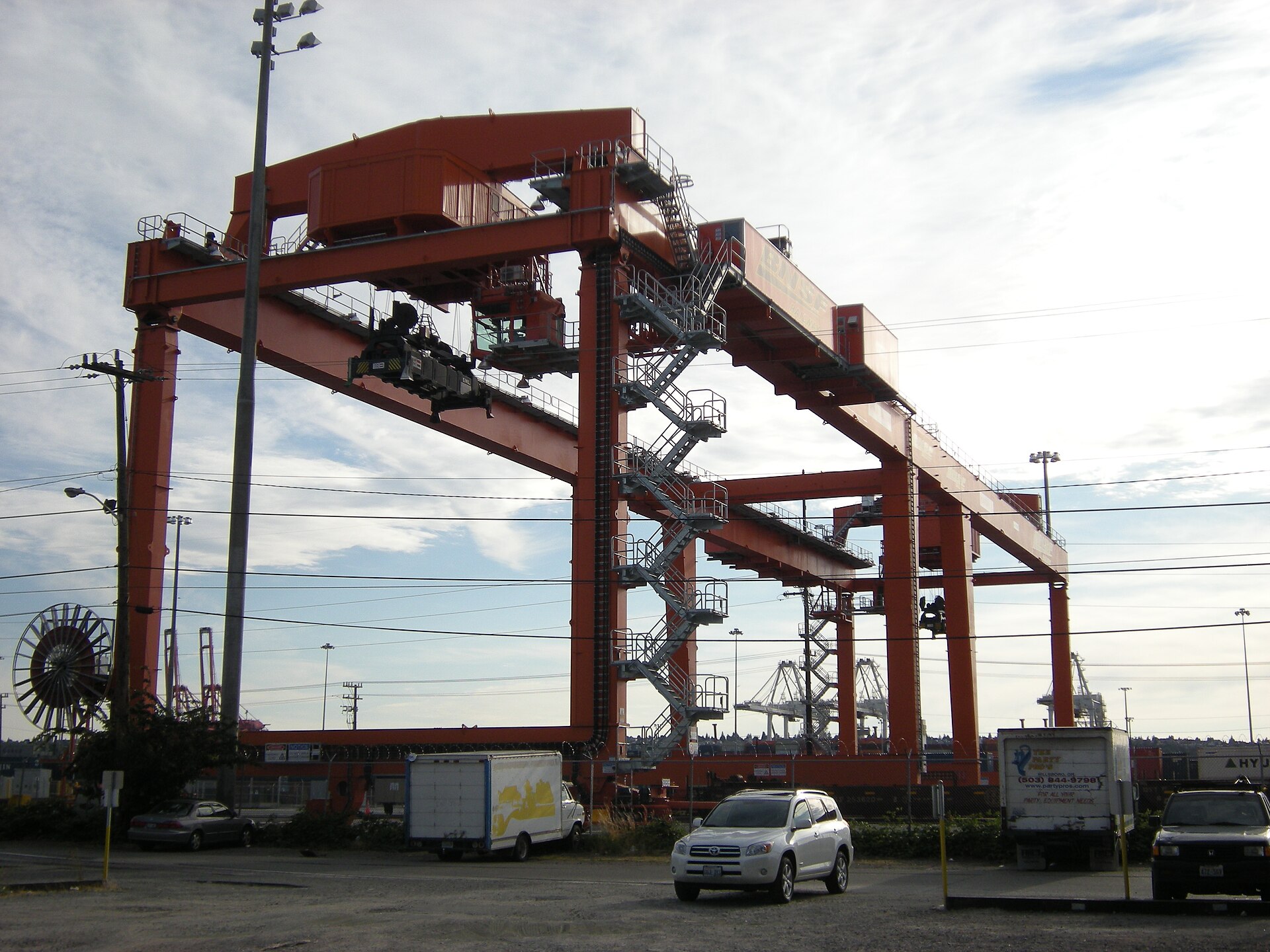
Rail is absorbing long-haul freight that used to move by truck
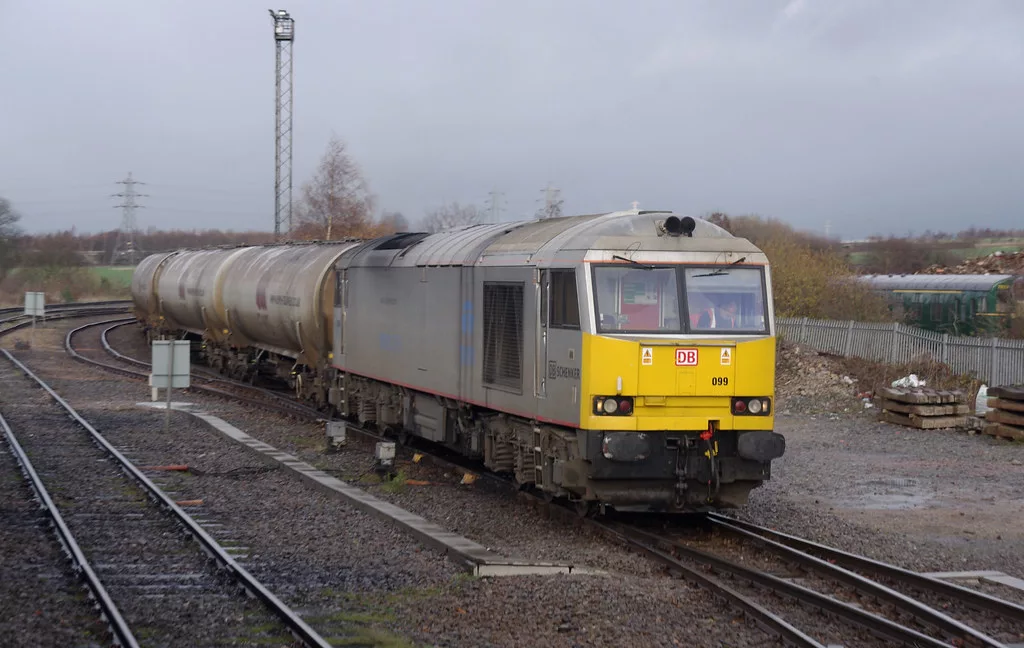
A key structural factor suppressing the usual seasonal surge is rail. Railroads are absorbing a significant share of long-haul freight that would otherwise move by truckload, keeping trucking volumes steady but not tight. Fuller noted the broader dynamic: "We haven't seen demand pick up. It's been pretty steady. And as we've talked about over and over again, this cycle is supply-driven."
Weekly AAR rail freight data, published every Wednesday, remains robust, reinforcing why trucking has not seen the kind of demand-driven tightening that characterized earlier cycles. For a small fleet that typically runs 800-mile-plus lanes, this means the long-haul loads that used to go out to bid when capacity tightened are now moving intermodal. You're competing for what's left.
Spot rates down 2.5% month over month, still up 44% year over year
Van spot rates sit at $3.29 per mile, down roughly 2.5% month over month from a cycle peak above $3.80 per mile. Even so, Fuller emphasized that context matters: spot rates remain up 44% year over year. Contract rates are up 17% year over year, and the gap between spot and contract continues to narrow as shippers adjust routing guides upward to keep them intact.
For an owner-operator running spot, the month-over-month slide is real money. A 2.5% drop on a $3.80 rate is nine cents a mile. On a 500-mile run, that's $45 less per load. But the year-over-year comparison still favors 2026 over 2025 by more than a dollar a mile, which is why fleets that survived the 2023-2024 downturn are still booking loads even as the seasonal peak fails to materialize.
What a supply-driven cycle means for small fleets
Fuller said he will be watching volume data market by market as Labor Day passes and the freight calendar moves closer to peak season, with particular attention on whether coastal markets begin to accelerate. The current cycle remains orderly rather than supply-constrained, which means small fleets and owner-operators won't see the kind of rate spikes that come when capacity disappears overnight.
In a supply-driven market, the carriers who exit (through bankruptcy, authority revocation, or voluntary shutdown) matter more than the loads that show up. Capacity is still shrinking even as rejection rates hold steady, which keeps rates elevated without the volatility of a demand surge. For a 10-truck fleet, that means stable but not spectacular: you can plan the week without worrying about a sudden rate collapse, but you also won't see the kind of emergency freight that pays double to move tomorrow.
The bill for a fleet that planned on a Labor Day surge
If you added trucks or drivers in anticipation of a traditional Labor Day peak, the current rejection rate tells you that bet hasn't paid off yet. A fleet that expanded from five trucks to seven in July, expecting rejection rates to climb into the high teens, is now carrying two extra truck payments and two extra driver salaries without the corresponding rate lift. At $2,500 per truck per month in fixed costs and $6,000 per driver per month in wages and benefits, that's $17,000 in monthly overhead that the market hasn't rewarded.
Van de Kamp still expects some firming through the holiday weekend and in the week that follows, but the structural shift toward rail on long-haul freight means the old seasonal patterns may not return. Small fleets that run regional or short-haul are less exposed to rail competition, but those lanes also don't see the same rate premiums when capacity tightens. The fleets that win in this cycle are the ones who can pivot between spot and contract, between long-haul and regional, without betting the business on a single seasonal surge that may not come.